Integrating Intelligence: Embedded Systems in Robotic Design – Empowering Automation at the Core
Integrating Intelligence: Embedded Systems in Robotic Design – Empowering Automation at the Core
On November 8, 2025, our organization GC BitBarkada successfully hosted its third webinar titled “Integrating Intelligence: Embedded Systems in Robotic Design.” The event took place virtually through Google Meet and was simultaneously streamed on Facebook Live, attracting a large audience of students from various technology disciplines. The session featured Ms. Jasmine Kate A. Patiño, an Embedded Systems Specialist and Robotics Educator, who delivered an in-depth discussion about how embedded systems power intelligent and adaptive robotic designs.
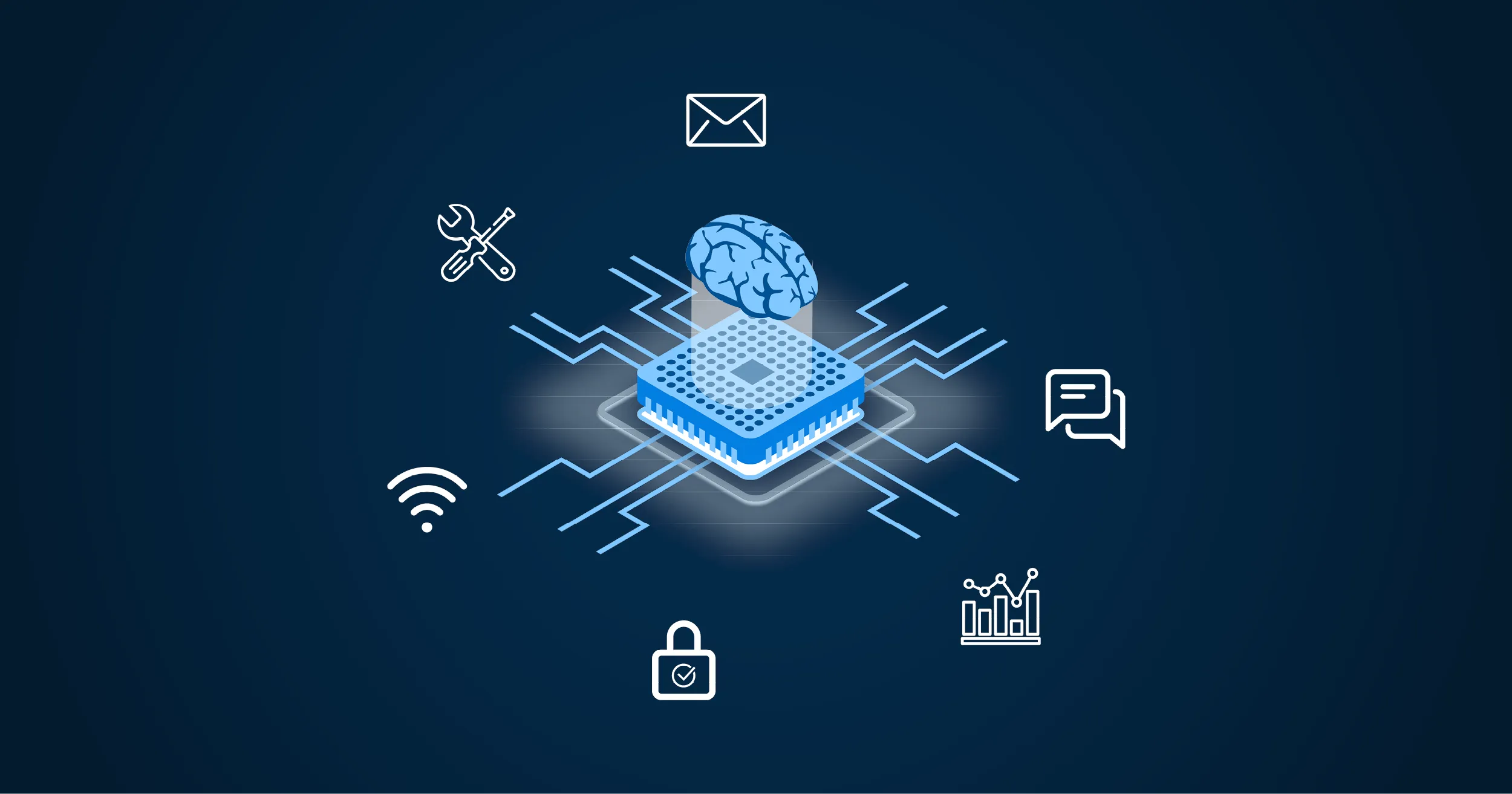
The theme “Empowering Automation: Intelligence at the Core” perfectly encapsulated the essence of the session. Ms. Patiño began by laying the foundation of embedded systems — small but powerful computing units that form the “brain” of modern machines. She explained how microcontrollers such as Arduino, STM32, and ESP32 play critical roles in robotics, enabling real-time processing, multitasking, and communication between sensors and actuators.
She also discussed how embedded systems bridge hardware and software, transforming electrical signals and data into precise, automated actions. The topic was further enriched by her introduction to Finite State Machines (FSM), PID control systems, and I2C/SPI communication protocols, which are essential in ensuring that robotic systems operate accurately and efficiently. These explanations helped me realize that robotics is not just about mechanical design — it’s about integrating logic, intelligence, and adaptability into physical systems.
One of the most remarkable parts of the session was Ms. Patiño’s live demonstration of a 6-DOF robotic arm powered by an Arduino Nano. Using a PID control loop and a load cell sensor, the arm could automatically adjust its grip strength depending on the object’s weight. Watching the arm lift various objects with controlled precision truly highlighted how embedded systems allow machines to mimic human-like decision-making. This live demo transformed abstract theory into a tangible, exciting reality — showing how mathematics, code, and hardware can coexist to create intelligent movement.
As part of the organizing team, I handled several responsibilities including managing registration forms, sending email invitations through Luma, and distributing certificates of participation. These tasks helped me strengthen my organizational and communication skills, as well as my attention to detail. Seeing the webinar come together smoothly after weeks of preparation was incredibly rewarding. It also gave me a deeper appreciation for teamwork — every member played a vital role in ensuring the success of the event.
Beyond logistics, this webinar left a lasting impact on my perspective as a Computer Science student. Ms. Patiño’s discussion emphasized that embedded systems are not only at the heart of robotics but also in everyday technologies — from smartphones and medical devices to automotive systems and smart appliances. This realization broadened my understanding of how embedded systems drive innovation in multiple industries.
Her quote, “Every robot you admire began as a single blinking LED on a breadboard,” struck a chord with me. It reminded me that great ideas often start small — through experimentation, patience, and persistence. As someone passionate about cybersecurity and emerging technologies, this insight encouraged me to approach learning with curiosity and courage, knowing that every project, no matter how simple, contributes to a larger goal of technological advancement.
After the webinar, I was inspired to apply what I learned by exploring embedded projects. My team and I began improving our Smart Waste Segregation Bin capstone project by incorporating an ESP32-CAM module with TensorFlow Lite for real-time waste classification. We also implemented FreeRTOS to manage multiple system processes concurrently, ensuring smooth performance even under high workloads. These implementations reflected the lessons from the webinar and allowed me to experience firsthand the importance of efficient design and task management in embedded systems.
While the event was generally well-executed, I believe that improving the Facebook Live streaming setup could enhance the audience’s experience, as there were minor audio and video inconsistencies. Additionally, providing pre-event technical checks for speakers could help avoid connection issues and ensure smoother delivery. Nonetheless, the overall execution, professionalism, and content quality were impressive and inspiring.
In conclusion, the webinar “Integrating Intelligence: Embedded Systems in Robotic Design” was more than just an academic event — it was an eye-opening exploration of how intelligence and automation are shaping the future of technology. It deepened my technical understanding, strengthened my organizational skills, and renewed my motivation to pursue excellence in my chosen field. This experience reaffirmed that innovation thrives where curiosity meets discipline — and that every small project has the potential to become a step toward something transformative.


Comments
Post a Comment